







Search Results for: NY classification
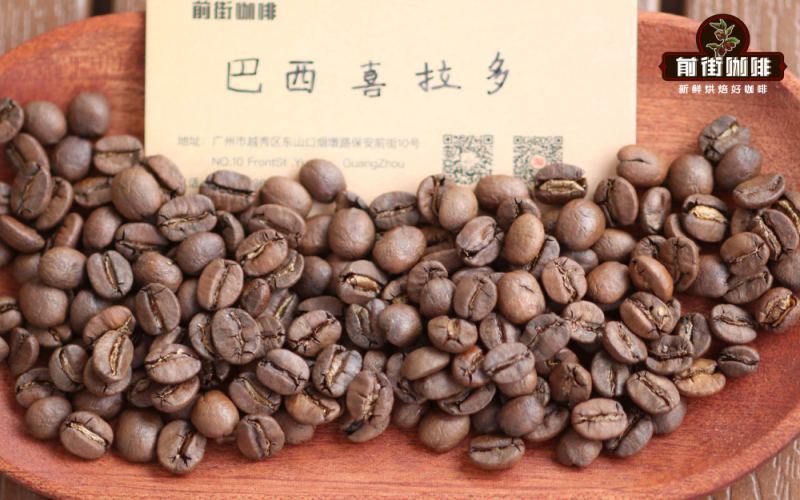
A Detailed Guide to Brazil Green Coffee Bean Grading Standards and the Distinctive Features of Its Origin Classification System
As a superpower accounting for about 45% of global coffee production, Brazil's green coffee grading system is not a single standard, but rather an assessment that integrates multiple dimensions such as the proportion of defective beans, screen size specifications, and cup profile. From the perspective of Front Street, this article will outline the origin distribution characteristics, main grading methods, and criteria of Brazilian coffee, decipher the meanings behind professional terms such as NY.2, 17/18 screen, and Strictly Soft, introduce the terroir characteristics of representative producing regions such as Mogiana and Cerrado, and share specific information about Queen's Farm coffee from Brazil on Front Street's bean list, helping coffee enthusiasts gain a more systematic understanding of the quality indicators and traceability logic of Brazilian green coffee. [more…]
Brazilian Coffee Beans' Grading System and Flavor Characteristics: Three Classification Methods and Front Street Recommendations
Brazil is the world's largest coffee producer, accounting for about one-third of global output. Because its growing regions span 14 states, Brazil uses a three-dimensional grading system based on defect rate, screen size, and cup profile to ensure consistent quality. This article will explain in detail Brazil's three coffee bean grading methods, decode the meaning of the grade markings on green bean jute sacks, and introduce two products recommended by Front Street Coffee: the Brazil Cerrado everyday drinking bean and the Queen Estate Yellow Bourbon, helping coffee lovers gain a deeper understanding of the unique appeal of Brazilian coffee. [more…]
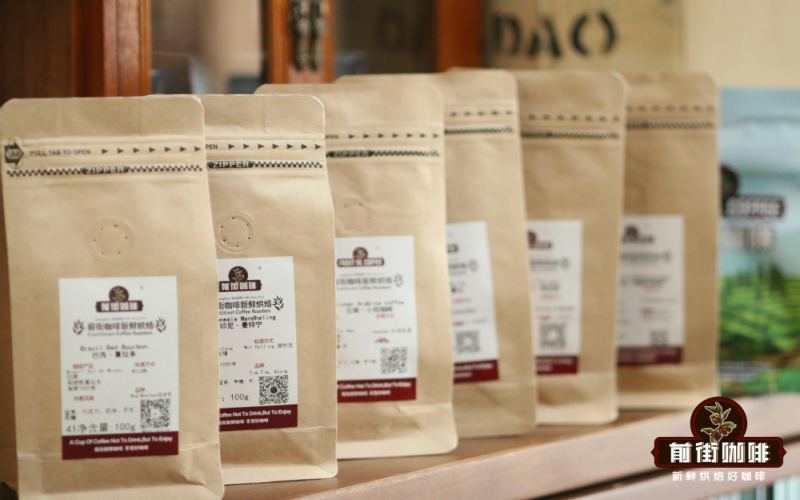
Analysis of Brazil's Three Major Coffee Bean Grading Systems and Export Standards, Plus Front Street Brand Flavor and Quality Recommendations
As the world's largest coffee producer, Brazil has a uniquely distinctive grading system that combines three criteria—defect rate, screen size, and cupping flavor—which sets it apart from the single-criteria grading methods used by most producing countries. By understanding the markings on a bag, such as "Brazil NY.2 SC – 17/18 FC Cerrado," you can quickly grasp a Brazilian bean's quality and origin information. This article will break down these three grading systems one by one, explain the six-tier classification standards for taste and flavor, and recommend two Brazilian specialty beans from Front Street Coffee—Queen's Farm Yellow Bourbon and Cerrado everyday drinking beans—to help coffee lovers find the Brazilian flavor that suits them. [more…]
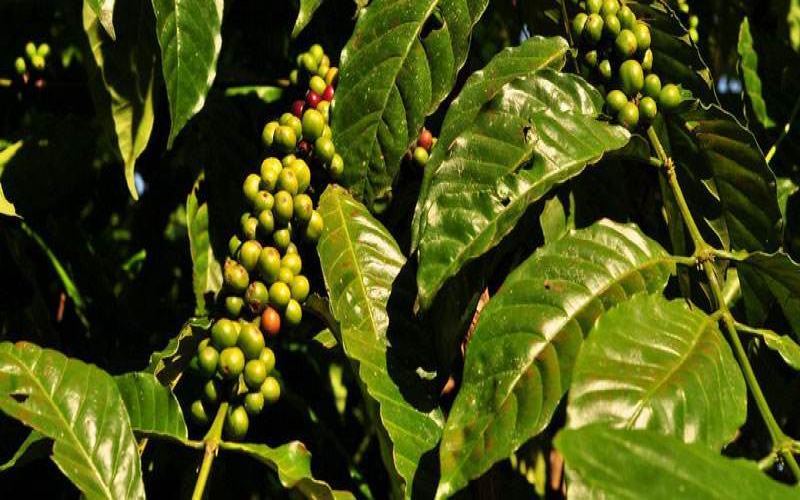
A systematic explanation of Brazil's coffee grading system and the classification of its top-tier bean grades
Brazil, as the leading country in global coffee production and exports, has a grading system that is crucial for quality control. This article approaches from the perspective of Front Street Coffee, outlining the characteristics of various Brazilian regions, with a focus on analyzing the cultivation advantages of core areas such as Cerrado. It details the evolution of Brazilian coffee varieties (such as Red Bourbon and Yellow Bourbon), innovations in processing methods (semi-washed), and systematically explains the three-dimensional grading standards based on defect rate, screen size, and cup performance, highlighting that the combination of NY.2 with 17/18 screen and FC is the top specification. Meanwhile, Front Street shares brewing methods for its own Brazilian daily coffee beans, including the use of the KONO dripper, three-stage pouring parameters, and flavor expectations for medium-dark roasted beans, providing enthusiasts with a complete guide from theory to practice. [more…]
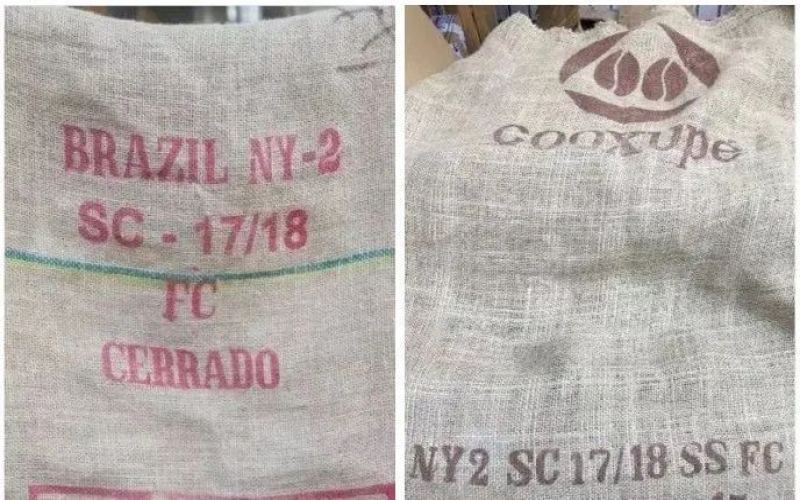
An Analysis of the Brazilian Green Coffee Grading System: From Origin Designations to NY2 — Why Is There No NY1?
On the burlap sacks of Brazilian coffee, a string of seemingly complex codes is often printed, such as "CERRADO NY-2 SC-17/18 SS FC". These letters and numbers are not arranged at random, but are green bean grading information established by the Brazilian Ministry of Agriculture, Livestock and Supply (MAPA), covering region of origin, defect level, screen size, cup performance and sensory grade. Among them, the defect grading starts with "NY", but why does it only go as high as NY2, with no NY1? Behind this lies both historical origins and a close connection to the industrial production characteristics of Brazilian coffee. This article will break down this grading system one by one, and introduce several classic espresso blends from Front Street Coffee that contain Brazilian beans, along with their espresso extraction parameters. [more…]
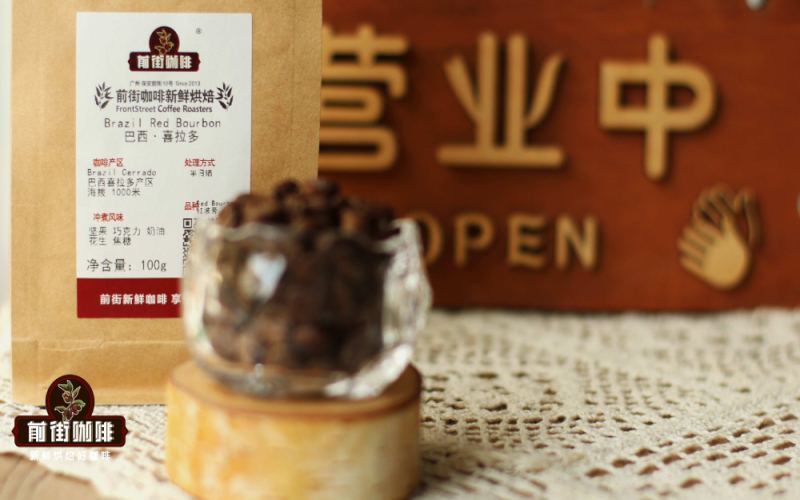
Brazilian Coffee Bean Grading System and Main Producing Regions Explained: Altitude, Varieties, and Front Street Recommendations
As the world's largest coffee producer, Brazil's green bean grading system and regional characteristics have always been a focus of attention for coffee enthusiasts. This article will start with the average cultivation altitude and main producing regions of Brazilian coffee, and provide a detailed interpretation of the local complex grading standards, including defect deduction, screen size specifications, and cup profile classification. At the same time, we will also introduce representative producing regions such as Cerrado and Mogiana, and recommend Front Street Coffee's Brazil Queen Estate Yellow Bourbon coffee beans, taking you through a comprehensive understanding of the unique charm of this quintessential neutral coffee-producing country. [more…]
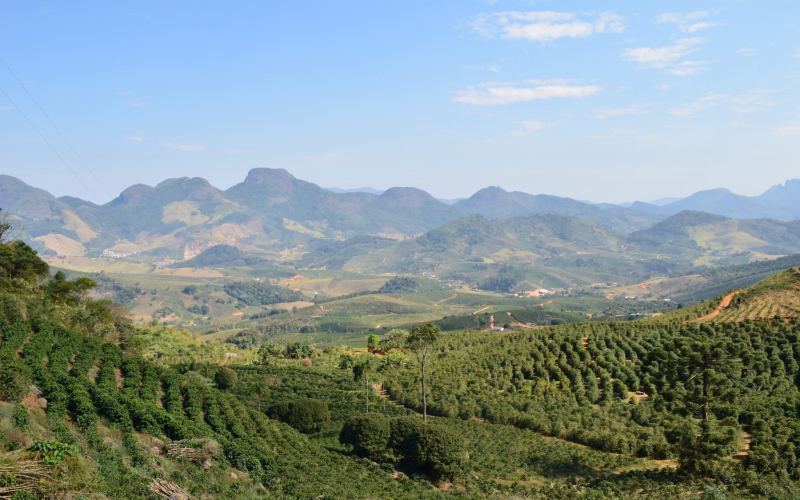
Analysis of Brazilian Coffee Bean Flavor Characteristics and Grade Classification, with Two Single-Origin Pour-Over Recommendations from Front Street Coffee
Brazil is the world's largest producer of Arabica coffee. Thanks to its flat terrain and volcanic soil, coffee cultivation and harvesting costs are relatively low, and it also exerts a profound influence on international coffee futures prices. Brazilian coffee beans are mostly grown at altitudes between 400 and 1,600 meters, and their density is lower than that of high-altitude beans from Central America. Their flavor is primarily smooth and balanced, with nutty and chocolate notes, and neither acidity nor bitterness is pronounced. Through cupping comparisons, Front Street Coffee has found that whether as a single-origin pour-over or in an espresso blend, Brazilian beans deliver an experience like a liquid nut pie. This article will outline the variety composition and grading methods of Brazilian coffee, and introduce two Brazilian single-origin beans sold by Front Street Coffee along with their pour-over extraction recipes. [more…]
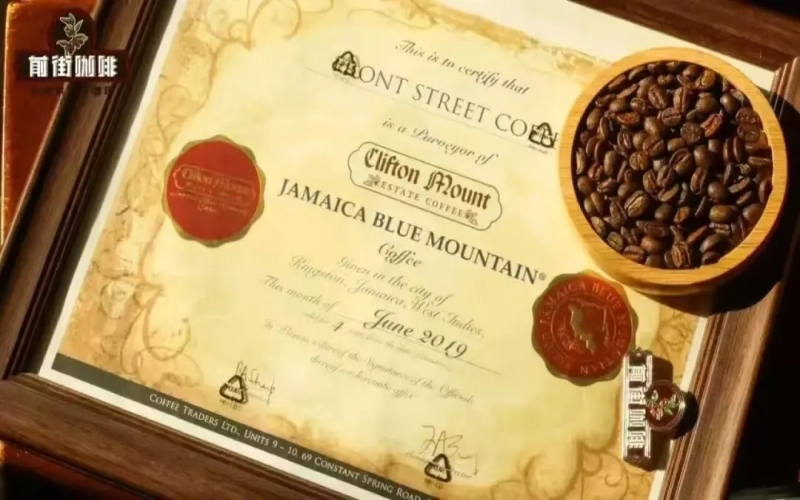
Why Doesn't Brazilian Coffee Have a NY1 Grade? A Full Analysis of the Cerrado Region's Flavor and Grading Standards
In the coffee-producing regions' grading systems, Brazil is a special case—its highest grade is not 1 but 2. Why does this happen? By what standards exactly are Brazilian coffees graded? Front Street Coffee takes you deep into Brazil's coffee grading system, breaking down the logic behind NY2 one by one, from defect rates and bean size to cup profile. We'll also discuss the flavor characteristics of coffee from Brazil's Cerrado region, and look at Front Street Coffee's daily drinking series—the Brazil Cerrado and the Front Street Coffee Brazil Queen's Farm Yellow Bourbon—to see how these two top-grade Brazilian coffees actually perform. [more…]
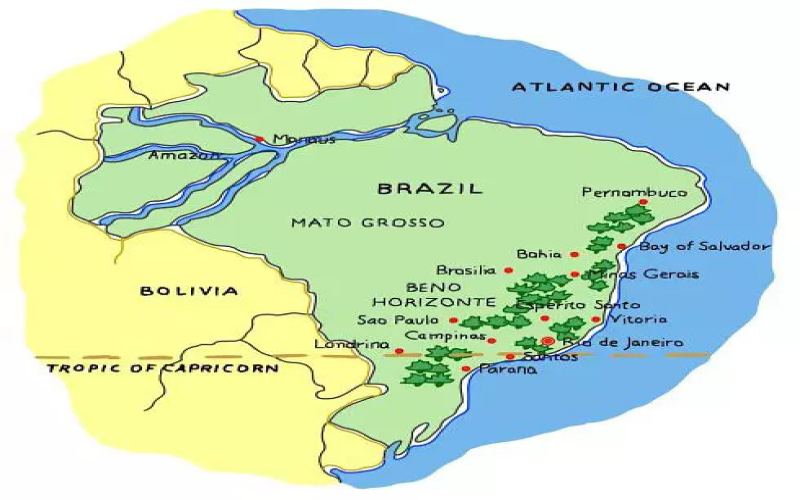
Brazil Cerrado Specialty Coffee Beans: A Comprehensive Analysis of Variety Classification, Grading System, and Flavor Characteristics
Brazil, as the world's largest coffee producer, supplies about one-third of the world's coffee. Among its many producing regions, the Cerrado in Minas Gerais stands out for its origin certification, mineral-rich soil, and classic nutty, creamy flavor. This article will systematically sort through the historical origins of Brazilian coffee, the terroir conditions of the Cerrado region, the characteristics of the Red Bourbon variety, the pulped natural processing method, and Brazil's unique multi-dimensional grading system, and combine them with Front Street Coffee's roasting and brewing practices to give you a comprehensive understanding of this classic Brazilian everyday bean from seed to cup. [more…]
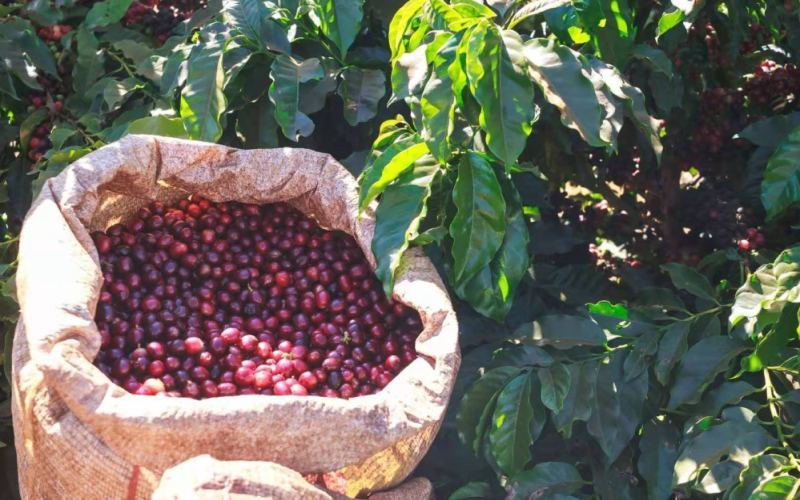
Brazil Cerrado Coffee NY.2 Grade Explained: A Complete Guide from Origin and Variety to Cupping Flavor
Brazil, as the world's largest coffee producer, is known for the coffee beans from the Cerrado region in the central-west of Minas Gerais, which are celebrated for their mild flavor and consistent quality. Among Front Street Coffee's daily drinking bean series, the Brazil Cerrado Red Bourbon has won the favor of many coffee lovers with its rich, smooth body and intense chocolate and nutty flavors. This article will systematically review the terroir conditions of the Cerrado region, the characteristics of the Bourbon variety, and the semi-washed processing method, and will further analyze the three major grading dimensions of Brazilian green coffee—defect ratio, screen size specifications, and cup profile—to help readers thoroughly understand the complete meaning behind the label "Brazil NY.2SC – 17/18 FC Cerrado," along with the brewing parameters and flavor tasting notes from Front Street Coffee's baristas. [more…]
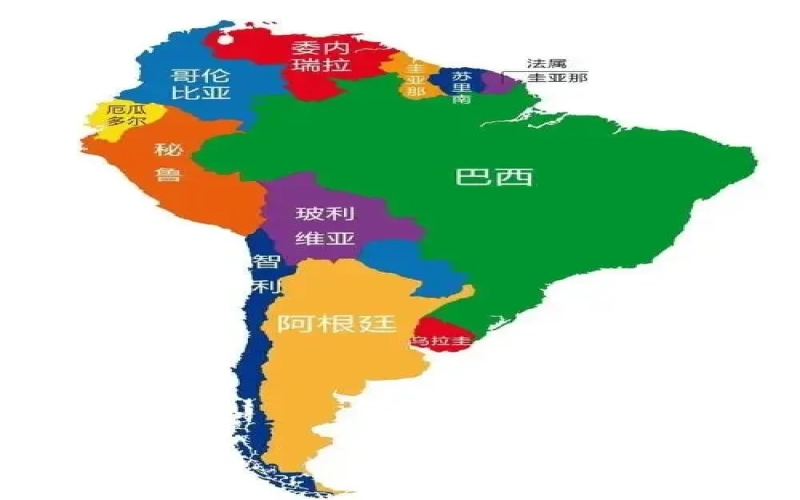
The Flavor Characteristics of Brazilian Coffee and Its Complex Grading System: From Growing Environment to NY2 SC17/18 SS FC
Brazil boasts the largest landmass in South America along with exceptional natural conditions, making it the world's largest coffee exporter and accounting for roughly one-third of the international market. Despite its staggering output, Brazilian coffee is not known for its refinement, and is therefore often used in blends. This article will walk you through Brazil's coffee-growing environment, the distribution of its major producing regions, and a detailed explanation of its unique and complex grading system, including the meaning of the commonly seen "NY2 SC17/18 SS FC" designation. Finally, we'll introduce a beginner-friendly selection from Front Street Coffee—the Cerrado Red Bourbon coffee beans—so you can experience the distinctive charm of Brazilian coffee. [more…]
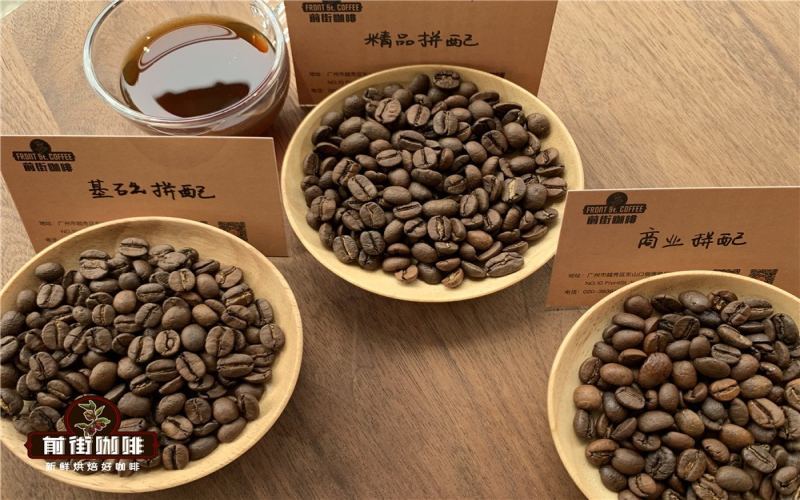
A Complete Guide to Brazilian Coffee Regions: From Cultivation History to Grading System and Flavor Characteristics
As the world's largest coffee producer, Brazil is known for its coffee's balanced taste, low acidity, and good body, making it an ideal base bean for espresso blends. Several of Front Street Coffee's espresso blends use Brazilian beans as their foundation. This article will comprehensively analyze the characteristics of Brazilian coffee from multiple dimensions, including planting history, main producing regions, grading systems, variety classification, and processing methods. It will also introduce the flavor profiles and recommended brewing parameters of Front Street Coffee's Brazil Cerrado and Queen's Estate coffees, helping coffee enthusiasts gain a deeper understanding of the unique charm of this South American coffee giant. [more…]
A Comprehensive Analysis of Brazil's Green Coffee Grading System: The Specialty Journey from Origin Distribution to Cupping Standards
Brazil, as the world's largest coffee producer, supplies about 45% of the world's green coffee beans, and its production fluctuations directly affect international coffee price trends. However, Brazil has numerous coffee-producing regions with uneven quality, making grading work especially complex. Front Street Coffee takes you on an in-depth look at Brazil's green bean grading system—from the flatland growing environment at altitudes of 600 to 1200 meters, to the flavor differences among seven major producing regions including Minas and São Paulo states, and to the multiple grading standards centered on defect deductions, screen size specifications, and cup quality flavors. The article will also introduce the origin information and flavor performance of Front Street Brazil Queen's Estate Yellow Bourbon coffee and Cerrado coffee, helping you fully understand the specialty potential of this representative neutral coffee country. [more…]
What Do the Coffee Bean Grade Labels G1 and G2 Actually Mean? Understanding the Grading Systems of Different Countries at a Glance
When selecting coffee beans, letter markings like AA and G1 often appear on packaging, and they actually represent the green bean grading systems of different origins. In this article, Front Street will guide you through Ethiopia's G1 to G5 grades, which are classified by the proportion of defective beans, as well as the nine-level classification method that combines physical characteristics and cupping scores after the establishment of the ECX. In addition, we will introduce Kenya's eight grades, including AA, AB, and PB, which are distinguished by bean size, and briefly mention the grading criteria of Colombia, Jamaica, Brazil, and other countries, to help you better understand the meaning behind these markings when buying beans. [more…]
A Complete Guide to Brazilian Coffee Grading Standards and Flavor Characteristics: From Regions and Varieties to Brewing Parameters
As the world's largest coffee producer, Brazil's grading system and flavor characteristics have always been a focal point for coffee enthusiasts. This article systematically reviews the distribution of Brazilian coffee regions, mainstream varieties, and processing methods, and provides a detailed interpretation of the three-dimensional grading system centered on defect rate, screen size specifications, and cup performance. At the same time, using Front Street Coffee's Brazilian Cerrado daily drink beans as an example, it explains how to set brewing parameters according to the characteristics of medium-dark roasted coffee, including dripper selection, water temperature, grind size, and pouring technique, helping readers gain a comprehensive understanding of Brazilian coffee from origin to cup. [more…]
Brazilian Red Bourbon Espresso Beans: A Complete Analysis of Growing Regions, Varieties, Grading Systems, and Espresso Blend Ratios
Brazil is the world's largest coffee-producing country, and its beans are known for their full body, low acidity, and nutty and cocoa flavors, making them highly favored by drinkers who dislike sour coffee. The Brazilian beans in Front Street Coffee's everyday beans series come from Minas Gerais and are of the Red Bourbon variety. This article will review the growing conditions of Brazilian coffee regions, the characteristics of the Red Bourbon variety, the pulped natural processing method, the NY grading system, and its practical application in espresso blends, and will also include the specific recipes and flavor descriptions of two Front Street espresso blends, helping coffee lovers fully understand the core position of Brazilian beans in classic coffee flavors. [more…]
An Analysis of Brazilian Coffee Bean Flavor Characteristics and a Brewing Guide for Medium-Roast Semi-Washed Beans
Brazil is the world's largest coffee producer and the second-largest coffee-consuming market after the United States, and fluctuations in its output directly influence international coffee futures trends. Brazilian coffee is known for its high volume and stable flavor, which benefits from its flat plateau terrain and conditions suited to mechanized operations. Although its average growing altitude of only about 1,000 meters makes it difficult to rank among the top specialty coffees, Brazil also has specialty estates that pursue flavor and is the birthplace of the COE competition. Front Street Coffee currently has two Brazilian beans: Cerrado, representing the flavor of a basic producing region, and Queen Estate Yellow Bourbon, representing a specialty estate. This article will systematically introduce the flavor characteristics of these two beans, Brazil's coffee bean grading system, and Front Street's brewing plan for medium-roast Brazilian beans, helping enthusiasts gain a comprehensive understanding of the appeal of Brazilian coffee. [more…]
Brazil Cerrado Red Bourbon Coffee Flavor Analysis: A Complete Guide from Origin and Variety to Roasting and Brewing
Brazil, as the world's largest coffee producer, has its Cerrado region's Red Bourbon coffee beans known for their nutty, chocolatey, and creamy, full-bodied flavor. This Brazil Cerrado Red Bourbon from the Front Street Coffee daily drinking bean series, with its rich chocolate and nutty notes, has become the top entry-level choice for many coffee lovers first trying full-bodied styles. This article will systematically cover the terroir conditions of the Cerrado region, the historical origins and botanical characteristics of the Red Bourbon variety, the unique features of the pulped natural processing method, and include Front Street Coffee's actual roasting curve and brewing parameters, helping you fully understand this classic Brazilian coffee from seed to cup. [more…]

Flavor Analysis of Queen Estate Yellow Bourbon Specialty Coffee from São Paulo, Brazil, and the Differences Between Pulped Natural and Natural Processing Methods
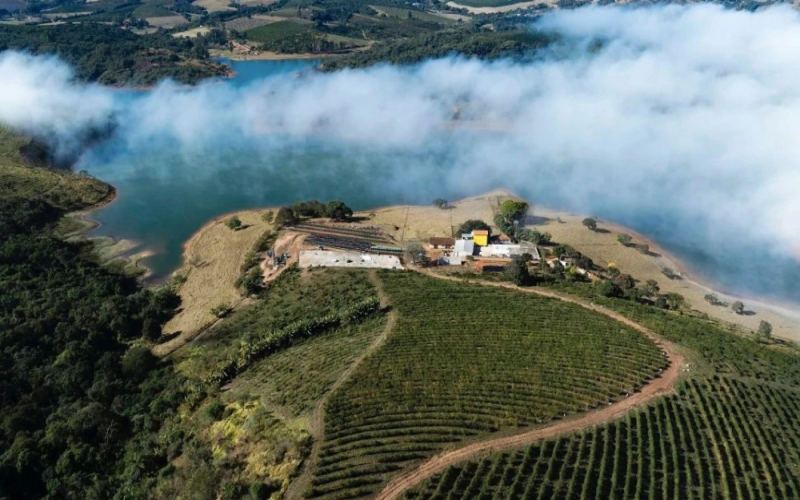
Brazil is the world's largest coffee producer, and one of the representatives of its specialty coffee is the Yellow Bourbon variety produced by Queen Farm in São Paulo State. This article, from the perspective of Front Street Coffee, systematically reviews Queen Farm's producing region background, variety characteristics, differences in processing methods, and roasting and brewing recommendations. The article not only introduces the flavor differences between Yellow Bourbon and Red Bourbon, but also compares in detail the effects of semi-washed and natural processing methods on coffee quality, and includes the grading standards for Brazilian coffee beans. Whether you are an enthusiast who wants to learn about Brazilian specialty coffee or a consumer looking for everyday coffee beans, you can gain practical reference from it. [more…]
Brazilian Specialty Coffee Flavor Guide: Queen Farm Yellow Bourbon Caramel Sweetness and Full Pour-Over Parameter Analysis
Brazil, as the world's largest coffee producer, has a specialty coffee quality that is equally noteworthy. Front Street Coffee believes that the Yellow Bourbon variety produced by Queen's Farm best represents the flavor of the Brazilian region. This farm belongs to the Carvalho Dias family, which has repeatedly won COE awards, and through high-altitude cultivation, fully manual harvesting, and semi-dry processing, it presents a unique flavor interwoven with nuts, cream, peanuts, fermented fruit, and cane sugar. This article will systematically review Queen's Farm's origin background, variety characteristics, and processing method principles, and include Front Street Coffee's roasting and pour-over extraction parameters, taking you through a comprehensive understanding of the appeal of this high-end Brazilian coffee bean. [more…]